
Have you ever wondered why giving is such a big deal in the Bible? Many people struggle with understanding the concepts of tithe and offering, and it can feel overwhelming. You’re not alone in wanting clarity on this important aspect of faith and community.
In this article, we’ll break down what the Bible really says about tithes and offerings. You’ll discover practical insights that can help you navigate your own giving journey. Whether you’re looking to deepen your faith or simply want to understand these practices better, this guide will provide the answers you need. Let’s explore how these principles can enrich your life and strengthen your relationship with your community.
Key Takeaways
- Definition of Tithe and Offering: Tithing involves giving 10% of your income to God, whereas offerings are additional gifts given based on individual conviction, aimed at supporting various causes.
- Biblical Foundations: Tithing is deeply rooted in both the Old and New Testaments, serving as a means to honor God and support the community, emphasizing the importance of generosity.
- Purpose of Tithing: The primary purposes include supporting church operations and helping those in need, making a positive impact on the community and the lives of individuals.
- Principles of Generosity: The Bible advocates for cheerful and proportional giving, encouraging individuals to give with joy and according to their financial capacity.
- Transformation Through Giving: Engaging in tithing and offerings helps deepen one’s faith while fostering a sense of community and commitment to helping others.
Understanding Tithe and Offering
Tithing and giving offerings are essential practices in the Bible. These actions reflect faith and commitment to God.
Recommended Products

Rich in Quantity: you will receive 500 pieces of offering envelopes; Abundant quantity can satisfy your use and replacement requirements in daily life, and you can also share them with your close friends

Rich in Quantity: you will receive 500 pieces of offering envelopes; Abundant quantity can satisfy your use and replacement requirements in daily life, and you can also share them with your close friends

Tithing Envelopes Church Pack: Set of 500 church tithing envelopes with printed lines for name, address, date, and amount for organized donation tracking
Definition of Tithe
Tithing involves giving 10% of your income or resources back to God. This practice originates from biblical texts, such as Leviticus 27:30, which states that a tithe is holy and belongs to the Lord. Many Christians view tithing as a form of obedience, gratitude, and reliance on God’s provision.
For example, if you earn $1,000 in a month, your tithe would be $100. This contribution often supports church functions and helps those in need within the community.
Definition of Offering
An offering represents any additional gift given beyond the tithe. These contributions can vary in amount and purpose, depending on individual conviction. The Bible encourages believers to give freely and generously, as seen in 2 Corinthians 9:7.
Offerings can take various forms, such as supporting missions, aiding specific projects, or providing for individuals facing hardships. For instance, you might choose to give $50 one month to support a local charity, reflecting your compassion and commitment to helping others.
Biblical References to Tithe
The Bible offers numerous references about tithing, emphasizing its importance within both the Old and New Testaments. These teachings highlight the heart of generosity and the spiritual significance of giving.
Old Testament Teachings
In the Old Testament, tithing is a foundational practice. Leviticus 27:30 states, “A tithe of everything from the land, whether grain from the soil or fruit from the trees, belongs to the Lord; it is holy to the Lord.” This verse establishes the principle of giving 10% of one’s produce or earnings.
Another key reference is found in Deuteronomy 14:22-23, which instructs believers to set aside a tithe of their produce each year. The purpose is to teach reliance on God and support the Levites, who dedicated their lives to serving God and the community. These teachings highlight tithing as a means to honor God and contribute to the community’s welfare.
New Testament Insights
The New Testament continues the conversation on giving but shifts focus slightly. While tithing is less explicitly mentioned, principles of generosity remain crucial. 2 Corinthians 9:6-7 emphasizes, “Whoever sows sparingly will also reap sparingly, and whoever sows generously will also reap generously. Each of you should give what you have decided in your heart to give, not reluctantly or under compulsion, for God loves a cheerful giver.”
This verse encourages voluntary, joyful giving rather than adherence to a strict obligation. Furthermore, Jesus affirms the spirit behind giving in Mark 12:41-44, where he commends the widow who donated two small coins, highlighting that it’s not about the amount but the heart behind the gift.
These references collectively underscore that while tithing is a biblical principle, the essence of giving focuses on commitment and generosity as expressions of faith.
The Purpose of Tithing
Tithing serves multiple essential purposes in the life of a believer. Understanding these purposes can enhance your giving practices and deepen your connection to your faith.
Supporting the Church
Supporting the church is a primary purpose of tithing. When you give 10% of your income or resources, you help fund church operations and activities. This includes paying salaries, maintaining the building, and financing community outreach programs. For example, many churches use tithes to provide educational programs for children, support youth groups, or organize mission trips. Regular tithing ensures that the church can fulfill its mission and serve the community effectively.
Helping the Needy
Helping the needy is another fundamental aspect of tithing. Many congregations allocate a portion of their tithes to assist those in need. This aid can take many forms, such as food drives, clothing distribution, or financial assistance. By tithing, you contribute to programs that uplift struggling individuals and families. For instance, a church might use tithes to establish a food pantry, providing meals to hungry families in the area. This act of kindness echoes the biblical principle of caring for the less fortunate found in Proverbs 19:17, which states that giving to the poor lends to the Lord. Through tithing, you play a crucial role in making a positive impact on the lives of others.
Principles of Generosity in the Bible
The Bible teaches several principles of generosity that guide you in your approach to giving. These principles encourage a spirit of abundance and gratitude.
Recommended Products

A TINY DOSE OF HAPPINESS: Send the gift of happiness with these cute-as-can-be notecards.

This large 69th birthday card features a vintage newspaper design, showcasing important events, movies and sports events from 69 years ago

【24pack Christmas Holiday Cards】- The value pack comes in a total of 24pcs Christmas greeting cards in 6 designs with Christmas themes. Each design is in 4pcs. Festive Holiday Colours offers stylish shoppers a curated and considered line of upscale and unique cards that reflect their personal style and make an immediate and lasting impression.
Cheerful Giving
Cheerful giving embodies the idea that your heart matters more than the amount you give. According to 2 Corinthians 9:7, God loves a cheerful giver. This means when you give, it should come from a place of joy and enthusiasm. The motivation behind your gift impacts its value just as much as the gift itself.
For example, consider donating to a local charity. If you give reluctantly, the act may feel burdensome. However, when you give joyfully, you contribute positively to the cause and inspire others to do the same.
Proportional Giving
Proportional giving involves donating based on your income or resources. In 2 Corinthians 8:12, the emphasis is on giving what you can comfortably afford. This ensures that your giving remains sustainable and encourages alignment with your current financial situation.
You can start by determining what percentage of your income feels right for you to give. Many find that starting with a tithe of 10% creates a solid foundation. Once you establish this habit, consider adjusting the percentage as your financial situation improves or as your commitment to generosity grows.
By focusing on these principles, your giving can become a meaningful expression of your faith, impacting both your life and the lives of others.
Conclusion
Understanding what the Bible says about tithes and offerings can transform your approach to giving. It’s not just about the act itself but the heart behind it. When you give with joy and intention you’re not only honoring God but also supporting your community and those in need.
As you navigate your own giving journey remember that both tithes and offerings play vital roles. Embracing these practices can deepen your faith and create connections that enrich your life and the lives of others. So go ahead and explore the joy of giving—your generosity can make a real difference.
Frequently Asked Questions
Recommended Products
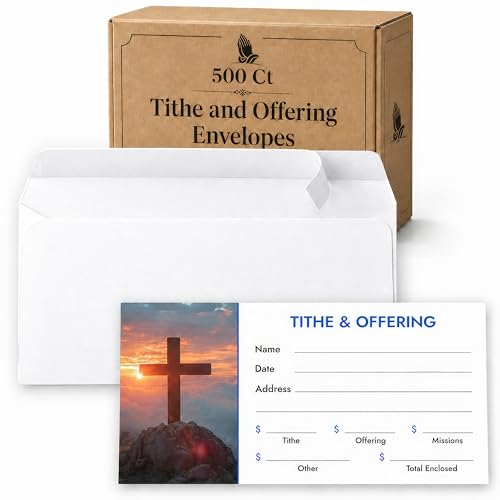
PREMIUM CHURCH OFFERING ENVELOPES: Pack of 500 high-quality tithing envelopes perfectly sized at 6.5"x3.5" to fit cash and checks neatly

Used Book in Good Condition

Package Includes: you are provided with 600 pieces of tithe envelopes for church, the quantity is sufficient to meet your daily usage and replacement needs, you can also share them with others
What is the significance of tithing in the Bible?
Tithing is the practice of giving 10% of one’s income or resources back to God, emphasizing obedience, gratitude, and reliance on God’s provision. It supports church functions and community needs, rooted in biblical texts like Leviticus 27:30. Tithing is seen as both an act of worship and a means to honor God.
How do offerings differ from tithes?
Offerings are gifts given beyond the tithe and vary in amount and purpose based on personal conviction. While tithes are a fixed percentage, offerings represent voluntary, generous contributions to support missions, projects, or individuals in need.
Is tithing required in the New Testament?
While tithing is encouraged in the Old Testament, the New Testament emphasizes voluntary and joyful giving, focusing on the spirit behind the gift. Verses like 2 Corinthians 9:6-7 suggest that the motivation is more important than the strict adherence to tithing.
What are the practical purposes of tithing?
Tithing serves several purposes, including supporting church operations, funding outreach programs, and helping the needy. This practice aligns with biblical principles of caring for the less fortunate and contributes to making a positive impact in the community.
How can I give cheerfully and consistently?
Cheerful giving means donating with the right mindset, focusing on generosity rather than obligation. Proportional giving encourages individuals to contribute based on their income, ensuring sustainability. Embracing gratitude in your giving can enhance its meaning and impact.
